Halloween Ghost: A Designer's Review for Real Projects
As someone who spends more time at the hoop than away from it, I approach every new machine embroidery design with a mix of excitement and skepticism. We've all downloaded files that looked perfect on the screen but turned into a bird's nest of thread on the fabric. That is why I took a close look at the Halloween Ghost pattern before committing it to any client work or personal projects. This isn't just about whether it looks cute; it is about whether it holds up under the needle, survives a wash cycle, and actually sells when listed as a handmade product.
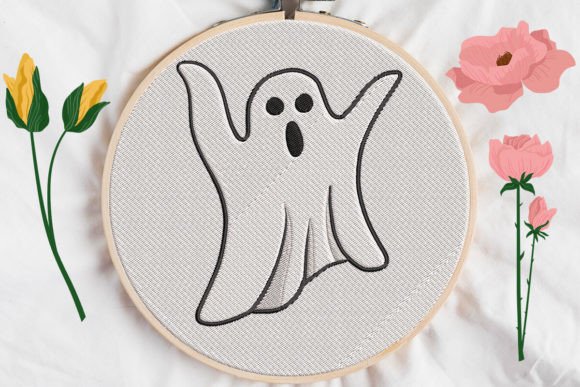
The first impression of the Halloween Ghost is its balance between whimsy and spookiness. Many Halloween designs lean too hard into the scary side, making them unsuitable for children's items or light-hearted boutique goods. Others are so simplistic they lack character. This design hits a sweet spot. The silhouette is distinct, avoiding the muddy look that often happens with small, detailed figures. When I loaded the embroidery file into my software to inspect the stitch path, I noticed a thoughtful distribution of satin stitch outlines and fill stitch bodies. This combination suggests good coverage without excessive bulk, which is crucial for maintaining the drape of garments like t-shirts or baby onesies.
Putting the Design to the Test: A Real-World Scenario
To truly evaluate this pattern, I decided to use it for a seasonal run of custom tote bags. Tote bags are a staple for Etsy sellers and craft fair vendors because they offer a large, stable canvas. However, canvas can be tricky; if the stitch density is too high, the fabric puckers, and the bag becomes stiff and unusable. I paired the Halloween Ghost with a heavy-weight cotton canvas and used a cut-away stabilizer to ensure longevity.
The stitching process was smooth. The design flowed logically, minimizing jumps and trims, which saves time when producing multiple units for a small shop product line. Once finished, the ghost stood out clearly against the natural beige of the bag. I chose classic white thread with black detailing, but I could easily see this working with glow-in-the-dark thread for an extra festive touch. The result was a professional-looking finished product that felt durable rather than flimsy. It didn't look like a cheap iron-on transfer; it had the texture and depth that customers expect from high-quality custom apparel and accessories.
Versatility Across Different Applications
Beyond tote bags, the Halloween Ghost shows promise across a wide range of applications. For sweatshirt embroidery, the design scales well. On a adult-sized hoodie, it works perfectly as a left-chest logo or a larger back print. The lines are bold enough to remain visible even when viewed from a distance. For baby embroidery, such as on a bodysuit or bib, the playful nature of the ghost is ideal. Parents love seasonal items that are cute rather than terrifying, and this design delivers that friendly vibe.
I also tested the concept mentally for an embroidered patch. Patches are huge right now for craft business owners looking to create low-overhead inventory. Because the shapes in the Halloween Ghost are well-defined, it would translate beautifully to a merrow-edge patch. The clear boundaries make it easy to digitize a border if one isn't already included, ensuring a clean edge for sewing onto jackets or hats.
For those creating digital embroidery file bundles or printable mockups, this design offers strong visual appeal. Its clean lines render well in digital previews, helping to drive clicks and engagement on social media or marketplace listings. Whether you are selling the physical holiday embroidery item or the digital asset itself, the aesthetic is on-trend.
Critical Considerations for Professional Results
While the Halloween Ghost is a strong contender for many projects, there are areas where caution is required. If you plan to use this on stretchy fabrics like jersey knits or thin materials like silk, you must pay attention to your stabilizer choice. A tear-away might not provide enough support for the fill areas, leading to distortion after washing. Always test on scrap fabric first. This is non-negotiable for maintaining brand consistency and customer trust.
Another factor is the hoop size. While the design seems adaptable, cramming it into a tiny hoop for a cap placement can be risky. Curved surfaces like baseball caps change how the stitches lay down. If the design has fine details or tight corners, they might get lost or cause needle breaks on a curved field. I recommend checking the specific dimensions of the file you purchase. If the design includes tiny lettering or intricate internal details, it may not be suitable for small hoops or textured fabrics like terry cloth towels, where the loops can swallow fine stitches.
Color contrast is also key. On dark fabrics, a white ghost pops wonderfully, but if you attempt to stitch it on a dark gray or navy background without a proper underlay or backing, the base fabric might peek through the fill stitches, ruining the crisp look. Conversely, stitching white-on-white on a light garment requires excellent lighting and precise tension to ensure the design is visible. Always review how the thread colors interact with your chosen fabric texture.
Maximizing Value and Commercial Potential
From a business perspective, the Halloween Ghost adds value to a product line by offering seasonal relevance without being overly niche. It fits into the broader category of commercial embroidery where turnaround time and quality are paramount. A design that stitches out quickly and cleanly allows for higher profit margins. Furthermore, the universal appeal of a friendly ghost means it can be marketed as a personalized gift for a wide demographic, from toddlers to adults who enjoy subtle holiday decor.
However, before listing items featuring this design on Etsy or at a local boutique, you must verify the licensing terms. Not all design assets allow for commercial use. Some creators permit unlimited sales of finished physical goods, while others restrict the number of items or forbid digital resale entirely. Reading the fine print protects your craft business from legal issues and ensures you are respecting the original designer's work.
In conclusion, the Halloween Ghost is a versatile and reliable choice for embroiderers looking to expand their autumn collection. It balances artistic charm with technical practicality. By paying attention to fabric selection, stabilizer usage, and sizing constraints, you can turn this single design into a range of successful products. Whether it ends up on a kitchen towel, a toddler's jacket, or a limited-edition patch, this design has the potential to become a seasonal favorite in your portfolio. Just remember to stitch a test sample first—your reputation depends on the quality of that final stitch.