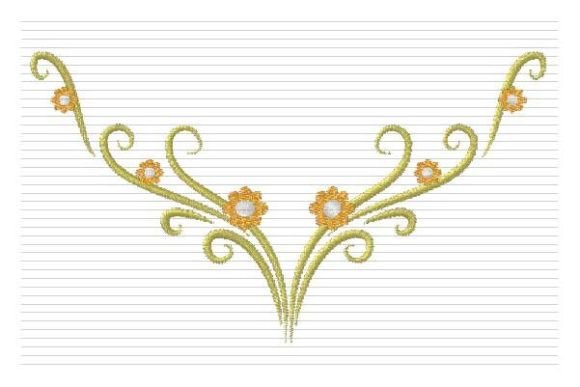
Review: Border Embroidery Corner for Professional Projects
As a designer who spends more time at the hoop than away from it, I approach every new machine embroidery design with a critical eye. It is not just about whether a pattern looks pretty on a screen; it is about how that digital embroidery file translates into thread, fabric, and ultimately, a finished product that holds up to scrutiny. Recently, I evaluated the Border Embroidery Corner for a potential lineup of boutique home goods and custom apparel. This isn't a generic fill; it is a specific architectural element meant to frame a piece, and its success depends entirely on execution and context.
First Impressions and Visual Personality
When I first loaded the preview of the Border Embroidery Corner, the immediate takeaway was its symmetry and structural integrity. Unlike free-flowing floral motifs that might drift across a hem, this design is anchored. It creates a mood of classic elegance and order. The layout suggests a traditional aesthetic, likely relying on a combination of satin stitch for defined edges and fill stitch for body. For an Etsy seller or small shop owner, this visual personality is gold. It screams "high-end" without being overly ornate.
The detail level appears balanced. It avoids the trap of being too dense, which can cause puckering, while maintaining enough complexity to look substantial. In a world where minimalism often dominates, a well-executed corner border adds a touch of heritage craftsmanship that elevates a simple linen towel or a plain cotton tote into a handmade product worth paying extra for.
Real-World Application: The Boutique Tote Scenario
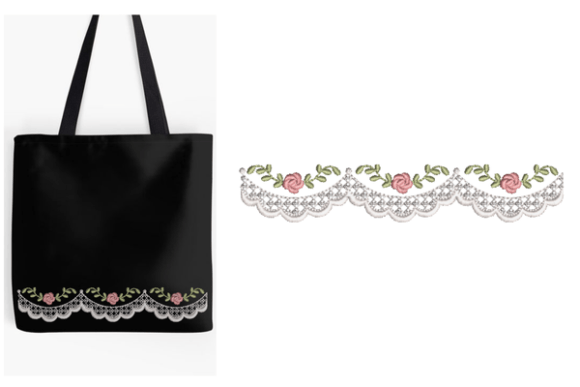
To truly test the viability of this design, I imagined a specific real-life scenario: preparing a run of custom canvas tote bags for a local farmer's market. The goal was to create a tote bag design that looked professional but didn't require hours of stitching per unit. Placing the Border Embroidery Corner at the bottom corners of the bag immediately framed the central logo or monogram.
In this context, the design performs exceptionally well. It draws the eye inward, creating a natural focal point. If I were selling these as small shop products, the addition of these corners would justify a higher price point compared to a standard single-logo print. Customers perceive embroidered corners as a sign of attention to detail. It transforms a utility item into a personalized gift or a boutique accessory. The symmetry ensures that even if the placement varies slightly from bag to bag, the overall look remains cohesive and intentional.
Versatility Across Product Lines
Beyond tote bags, the Border Embroidery Corner shines in various embroidery project types. Consider sweatshirt embroidery; placing these corners at the bottom hem of a crewneck adds a varsity or collegiate feel that is currently trending. For baby embroidery, such as on a receiving blanket or bib, the soft curves often found in these borders provide a gentle, welcoming frame that parents love.
I also see strong potential for holiday embroidery. Imagine these corners adorning the edges of kitchen towels for Christmas or Easter gifts. They act as a subtle nod to the season when paired with thematic thread colors. For commercial embroidery projects like hotel linens or restaurant napkins, this design offers a way to brand items subtly without overwhelming the fabric. It serves as a sophisticated watermark of quality.
Technical Considerations and Fabric Challenges
However, no design is without its challenges, and a responsible reviewer must address where caution is needed. The Border Embroidery Corner requires careful consideration regarding hoop size. Since it is designed for corners, you must ensure your machine's hoop can reach the necessary depth, especially on larger items like pillow covers or blankets. If the design is too large for a standard hoop, you may need to re-digitize or split the file, which can compromise the seamless look.
Fabric texture plays a massive role here. On smooth, woven fabrics like linen or high-count cotton, the stitches will lay flat and crisp. However, on textured fabrics like terry cloth or heavy fleece, the fine details of the border might get lost. Furthermore, stretchy fabrics present a risk. If you are applying this to a knit custom apparel item, the tension of the stitch density could cause the fabric to pucker over time, distorting the perfect symmetry of the corner. Always use a high-quality stabilizer appropriate for the fabric weight to mitigate this.
Dark fabrics also require a strategic approach. If the design relies heavily on light-colored threads for contrast, ensure the underlay is sufficient to prevent the dark fabric from showing through the fill areas. A lack of proper underlay can make a premium design look cheap and patchy.
Enhancing Brand Value and Customer Trust
From a business perspective, the consistent use of the Border Embroidery Corner can significantly impact brand consistency. When customers see this specific framing element across your printable mockup galleries and physical design assets, it becomes a recognizable signature of your shop. It signals professionalism. In the competitive landscape of handmade goods, these small details build customer trust. They show that you care about the entirety of the product, not just the center motif.
For those selling digital embroidery files, offering this as part of a bundle with matching centerpieces can increase average order value. It provides a complete solution for the hobbyist who wants a coordinated look without hunting for compatible designs.
Practical Designer Notes for Success
Before committing this design to a client's order or a large production run, I strongly advise following a few practical steps. First, always test the design on scrap fabric that matches your final material. This allows you to check thread tension and thread colors in real life, as screens often misrepresent shade and sheen. Review the stitch path to ensure there are no unnecessary jumps that could snag during washing.
Check the licensing terms carefully. While many designs allow for commercial use on finished physical goods, some restrict the resale of the embroidery file itself or its use in certain mass-production contexts. Confirm whether the design works for both personal and commercial projects to avoid legal headaches later.
Finally, inspect small details. Zoom in on the digital preview to see how the turns in the corner are handled. Sharp angles in embroidery can sometimes result in thread breaks or bird nests if not digitized with proper compensation. If possible, view the design in a black-and-white mockup to assess its form without the distraction of color. Does the shape hold up? Is the balance right?
The Border Embroidery Corner is a versatile, high-value asset for any embroiderer's library. Whether you are decorating a cap, finishing a pillow cover, or branding a line of aprons, this element adds a layer of polish that distinguishes amateur work from professional craftsmanship. With the right fabric choices and technical preparation, it is a design that will serve your creative business well for years to come.