Review: Satin Stitch Linen Embroidery Patterns for Real Projects
As a designer who spends more time at the hoop than away from it, I approach every new asset with a critical eye. We all know the feeling of downloading a beautiful digital embroidery file only to find it falls apart once the needle hits the fabric. That is why I took a close look at the Satin Stitch Linen Embroidery Patterns collection before committing it to any client work or personal handmade product. This isn't just about pretty pictures; it is about whether these graphics can withstand the rigors of actual stitching and deliver value to a craft business.
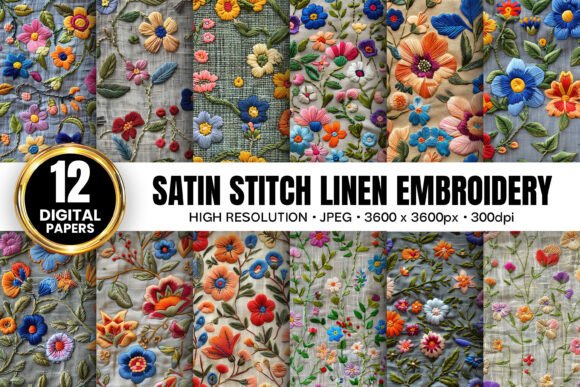
The first thing that strikes you about this collection is the mood. There is a distinct warmth and organic feel to these designs that immediately suggests high-end boutique quality. Unlike some generic vectors that feel sterile, these patterns evoke the texture of natural fibers even before you thread your machine. For an Etsy seller or small shop owner, this visual personality is gold. It signals to the customer that the item they are buying is thoughtful and artisanal. The layout of the elements within the files feels balanced, avoiding the clutter that often plagues complex applique design concepts. It creates a clean canvas that allows the stitch work to shine.
Putting the Design to the Test: A Real-World Scenario
To truly evaluate the Satin Stitch Linen Embroidery Patterns, I needed a project that would challenge both the aesthetic and the technical execution. I decided to create a custom embroidered tote bag for a local farmer's market vendor. She needed branding that felt earthy yet modern, something that would look good on canvas but also translate well to her apron and tea towels later. This is a common scenario for many of us: taking a single design asset and adapting it across a range of custom apparel and home goods.
I started by selecting a heavy-weight natural linen blend for the tote. The "linen" theme of the patterns felt incredibly appropriate here. When I loaded the design, I was pleased to see how the shapes held up. The patterns are versatile enough to serve as a focal point on a sweatshirt embroidery project or as a subtle accent on a baby embroidery onesie. In my test run, the design maintained its clarity. The lines were crisp, and the flow of the pattern suggested a natural movement that mimics hand-stitching, which adds immense perceived value to the finished product.
Performance Across Different Fabrics and Applications
One of the biggest questions I had was how these patterns would perform on different textures. We often work with everything from stretchy jersey to rigid denim. The Satin Stitch Linen Embroidery Patterns showed promise for tote bag design applications where the fabric has a bit of tooth. The visual weight of the design complements textured fabrics beautifully. However, if you are planning to use these on a smooth, synthetic performance fabric, you might need to adjust your expectations regarding how the "linen" vibe translates.
For holiday embroidery gifts, such as pillow covers or kitchen towels, these patterns offer a timeless look that doesn't scream "trendy" in a way that will date quickly. This longevity is crucial for commercial embroidery projects where you want your inventory to sell year-round. Whether it is a personalized gift for a wedding or a batch of merchandise for a small shop product line, the consistency of the design helps build brand recognition. Customers begin to associate that specific aesthetic with your level of quality.
Critical Considerations for Stitching Success
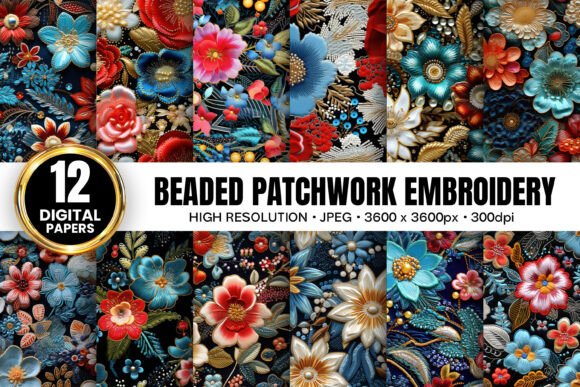
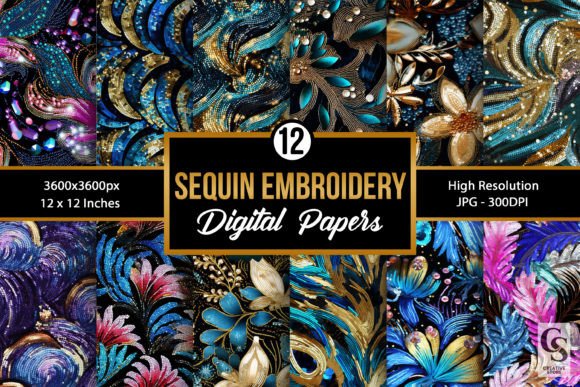
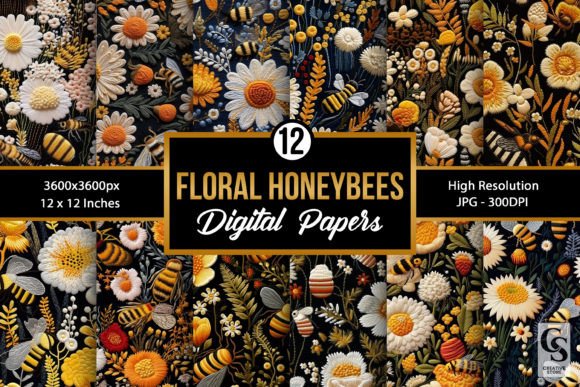
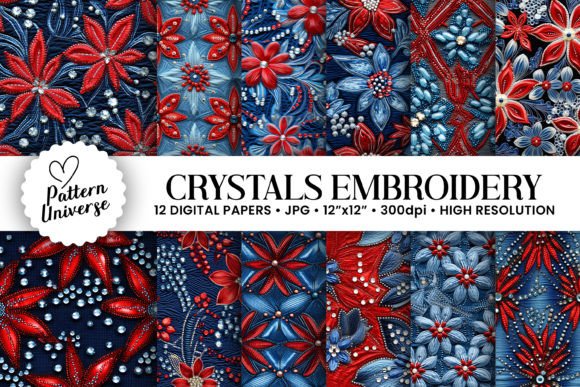
While the visual appeal is undeniable, a responsible designer must address the technical realities. Since these are provided as high-resolution digital papers (JPG format at 300 DPI), they are primarily intended as visual assets or references rather than ready-to-stitch machine embroidery design files like PES or DST. This is a vital distinction. If you intend to digitize these patterns yourself for stitching, you must pay close attention to stitch density. Converting a detailed graphic into a satin stitch or fill stitch requires careful mapping to prevent puckering, especially on lighter fabrics.
If you are using these as printed elements combined with embroidery, or if you are digitizing them, consider the following constraints:
- Fabric Texture: On highly textured fabrics like terry cloth or coarse burlap, fine details in the pattern may get lost. These patterns work best on medium-to-smooth weaves where the definition remains sharp.
- Small Hoop Sizes: If you are adapting elements for a cap or a small pocket, ensure you aren't cramming too much detail into a tiny space. Tiny lettering or intricate corners can become muddy if the hoop size limits your resolution.
- Dark Fabric: Always test your color contrast. A design that pops on white linen might disappear on a navy sweatshirt. You may need to create a backing layer or adjust the thread colors significantly.
- Stretchy Fabric: If applying to knits, the stability of the design is paramount. Without proper stabilization, the pattern could distort after washing.
Enhancing Brand Value and Customer Trust
In the world of online selling, presentation is everything. These design assets excel in creating professional printable mockup previews. Before you even stitch a single thread, you can place these patterns onto product photos to show customers exactly what the final result will look like. This capability boosts buyer engagement and reduces hesitation. When a customer sees a cohesive, well-thought-out design on a mockup, their trust in your craft business increases.
Furthermore, using a consistent set of patterns like Satin Stitch Linen Embroidery Patterns helps establish a signature style. In a saturated market, having a recognizable aesthetic sets you apart. It tells the customer that you care about the details. Whether it is an embroidered patch for a jacket or a full-back design on a hoodie, the professionalism of the underlying graphic elevates the entire piece.
Final Designer Notes and Best Practices
Before you integrate these patterns into your workflow, here is my practical advice based on this review. First, always test the design on scrap fabric that matches your final material. This is non-negotiable. Check how the thread colors interact with the fabric dye, especially if you are working with dark or vibrant backgrounds. Second, review the licensing terms carefully. While these are excellent for creating physical goods, ensure you understand the rules regarding reselling the digital files themselves versus selling the stitched finished product.
Also, remember that the files provided are JPGs. If your goal is direct machine stitching, you will need to digitize these images using your preferred software, paying close attention to stitch types like running stitch for outlines and satin columns for fills. Do not assume the image file is a stitch file. Finally, consider the end-user experience. Will this item be washed frequently? If so, ensure your stitching technique secures the design firmly, regardless of how beautiful the original pattern looks.
In conclusion, the Satin Stitch Linen Embroidery Patterns collection is a robust resource for designers who value aesthetics and versatility. It bridges the gap between digital artistry and tactile creation. By understanding its strengths and respecting its technical requirements, you can leverage these graphics to create stunning, market-ready items that resonate with customers and stand the test of time.