Stained Glass Fir Trees Cross Stitch Review
As a designer who spends more time staring at stitch maps than most people spend watching television, I approach every new embroidery file with a mix of optimism and skepticism. We have all been there: you download a beautiful digital embroidery file, load it onto your machine, and halfway through the run, you realize the density is too high for the fabric or the details are going to merge into a muddy mess. That is why I took a close look at the Stained Glass Fir Trees Cross Stitch design before committing it to any client work or personal projects. This isn't just about whether it looks pretty on a screen; it is about how it performs as a handmade product in the real world.
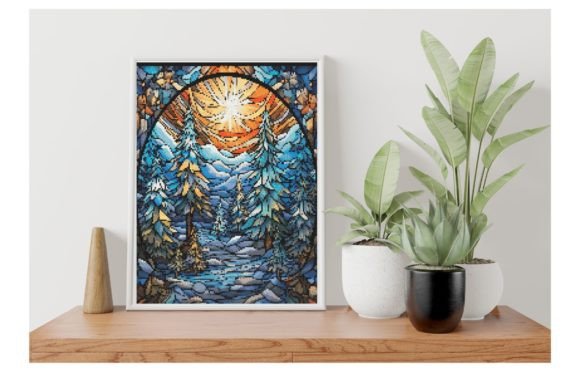
The first impression of this design is undeniably atmospheric. The concept of mimicking stained glass within a winter theme is clever, offering a geometric rigidity that contrasts beautifully with the organic shape of fir trees. When viewing the layout, the visual personality feels serene yet festive, capturing that specific quiet magic of a winter evening. For those of us selling Cross Stitch Patterns or finished Graphics, the mood is exactly what customers want during the holiday season without being overly kitschy. It avoids the trap of looking like a generic clip-art tree, instead offering a structured, artistic vibe that elevates the perceived value of the finished product.
Real-World Application: The Holiday Tote Test
To truly evaluate this design, I imagined a specific scenario that many Etsy sellers and craft business owners face daily: creating a limited run of holiday gift totes. I envisioned using a heavy canvas tote bag design in a deep forest green or charcoal grey. The Stained Glass Fir Trees Cross Stitch shines in this context. The "stained glass" effect relies on bold outlines and distinct color blocks, which translates exceptionally well to cross-stitch techniques where pixelation is part of the charm.
If I were stitching this onto a tote, the geometric nature of the trees would provide a crisp, modern look that appeals to buyers looking for something beyond traditional holly and berries. The design's structure suggests it would hold up well against the texture of canvas. However, a practical designer knows that cross-stitch on thick fabric requires patience. You aren't dealing with a smooth satin stitch flow here; you are building an image block by block. For a small shop product, this time investment actually works in your favor, allowing you to justify a higher price point for a truly personalized gift.
Versatility Across Custom Apparel and Home Decor
Beyond tote bags, where else does this design fit? I see strong potential for sweatshirt embroidery. A crewneck sweatshirt in heather grey or cream would provide a soft background that makes the sharp lines of the fir trees pop. Because the design mimics stained glass, it likely uses distinct thread colors rather than complex blending. This is excellent for custom apparel because it reduces the risk of thread breaks and simplifies the trimming process for the end user.
For home decor enthusiasts, this design screams "pillow cover." Imagine a linen blend pillow with these trees stitched in cool blues, teals, and whites against a navy background. It creates a sophisticated holiday embroidery look that can stay out from December through February, extending its usability. It could also work as an embroidered patch if digitized or stitched onto a twill base, adding a rugged, vintage feel to a denim jacket or backpack. The key here is the versatility of the theme; it is wintry enough for general cold-weather decor but specific enough to feel special.
Technical Considerations and Fabric Challenges
While the aesthetic is strong, we must talk about the technical execution. Cross-stitch designs behave differently than standard machine embroidery design fills. The stitch density in cross-stitch patterns can be deceptive. On paper, it looks light and airy, but when you stack X-shaped stitches on a stretchy fabric, things can get puckered quickly.
If you plan to use this on a baby embroidery project, such as a onesie or a soft blanket, you need to be extremely careful. Babies require soft touches, and the back of a cross-stitch design can be rough. I would strongly advise using a high-quality cut-away stabilizer to prevent the fabric from distorting under the weight of the threads. Furthermore, avoid using this on very thin or silky fabrics unless you are an expert at managing tension. The geometric precision required for the "stained glass" look means that any fabric shift will be immediately visible, ruining the alignment of the tree branches.
Curved surfaces present another challenge. If you are attempting this on a cap or a hat, the flat geometry of the trees might struggle to conform to the curve of the crown without significant distortion. The corners of the design, where the "glass panes" meet, need to remain sharp. On a curved surface, these corners can round off, losing the intended architectural feel. For commercial embroidery projects involving hats, I would recommend testing a sample run first to see if the design needs resizing or re-digitizing to accommodate the curve.
Enhancing Brand Value and Customer Trust
From a business perspective, the quality of your design assets directly impacts your brand consistency. Using a cohesive, well-thought-out design like Stained Glass Fir Trees Cross Stitch signals to your customers that you care about detail. It shows professionalism. When a customer receives a personalized gift that features clear, crisp stitching with no gaps or bird nests, their trust in your craft business grows. They are more likely to return for future purchases or recommend your Etsy listings to friends.
The visual appeal of this specific design lies in its clarity. In a market saturated with blurry or overly complex holiday motifs, a clean, graphic approach stands out. It photographs well for printable mockups and social media previews, which is crucial for online sellers. The contrast between the dark outlines and the filled colors creates an image that grabs attention even in a small thumbnail size.
Final Designer Notes and Best Practices
Before you dive into production with Stained Glass Fir Trees Cross Stitch, here are my practical recommendations based on years of trial and error:
- Test on Scrap First: Never run a new design on your final garment. Use a scrap piece of the exact same fabric to check how the cross-stitches lay and how the fabric reacts.
- Check Thread Contrast: Since this design relies on a stained glass effect, ensure your thread colors have enough contrast. If the shades are too similar, the "pane" effect will be lost, and the tree will look like a solid blob.
- Review Stitch Density: If the design feels too stiff after stitching, consider reducing the density slightly in your software, provided you have the rights to edit the file.
- Confirm Hoop Size: Ensure the design fits comfortably within your available hoop size without needing excessive re-hooping, which can lead to misalignment.
- Inspect Small Details: Look closely at the tips of the branches and the base of the trees. These are areas where registration errors often occur.
- Mockup in Black and White: Convert your digital preview to grayscale. If the design loses its definition in black and white, the contrast might be too low for a successful stitch-out.
- Light vs. Dark Backgrounds: Test the design on both light and dark fabrics. Some thread colors may not show up well against dark backgrounds without an underlay or outline adjustment.
- Licensing Check: Always confirm the license terms. Just because you bought the Cross Stitch Patterns or Graphics does not automatically mean you can sell unlimited finished items or the digital file itself. Read the fine print to protect your small shop product line.
In conclusion, the Stained Glass Fir Trees Cross Stitch is a compelling choice for designers looking to add a touch of artistic winter wonder to their portfolio. It bridges the gap between traditional needlework aesthetics and modern graphic design. Whether you are creating a one-off personalized gift for a family member or stocking your online store with unique holiday embroidery items, this design offers a solid foundation. Just remember that the difference between a good product and a great one often lies in the preparation. Respect the fabric, choose your stabilizer wisely, and let the geometric beauty of these trees shine through your craftsmanship.