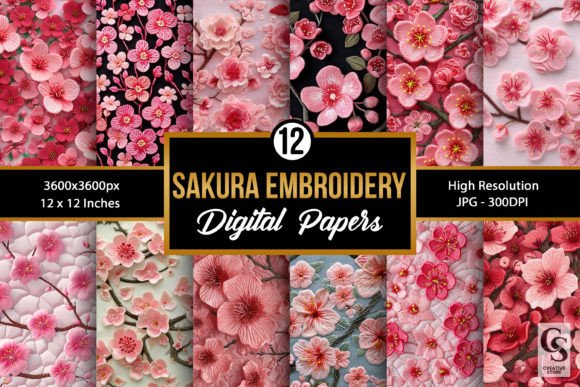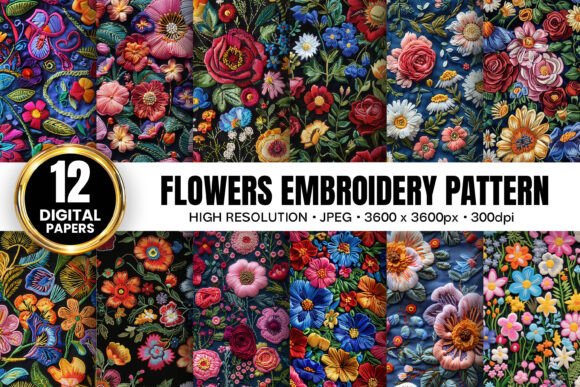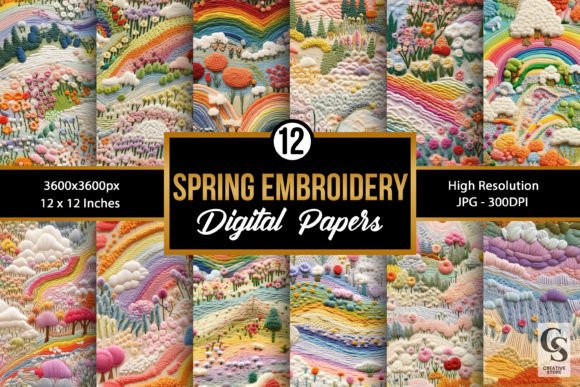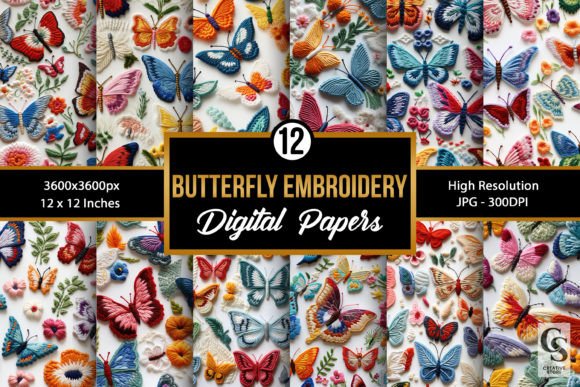
Western Embroidery Seamless Patterns Review
As an embroidery designer who has spent countless weekends setting up booth displays at local craft fairs, I know that the difference between a browsing customer and a buying customer often comes down to visual impact. When I recently downloaded the Western Embroidery Seamless Patterns collection, my immediate thought was not just about the digital file quality, but how these graphics would translate into tangible, sellable handmade products. This review is written from the perspective of a maker preparing for a busy market season, evaluating whether this asset is ready for prime time on tote bags, aprons, and other high-traffic items.
First Impressions: Rustic Charm Meets Market Appeal
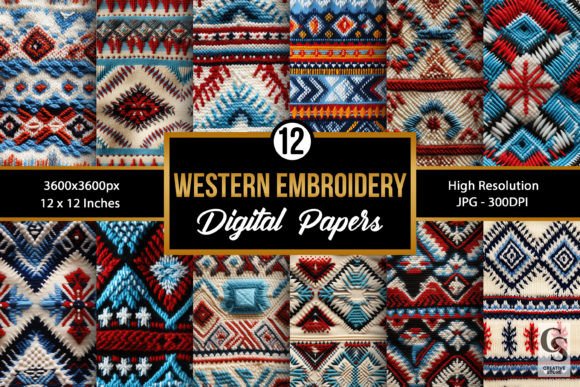
Upon opening the zip file, the first thing that strikes me about the Western Embroidery Seamless Patterns is the mood. These are not overly complex or cluttered; they exude a rustic, farmhouse elegance that fits perfectly with current trends in boutique home decor and western-style fashion. The description notes that these are high-resolution JPG files at 300dpi, sized 12″ x 12″. For a designer, this signals versatility. While these are technically design assets or Graphics rather than pre-digitized machine embroidery design files, their clarity suggests they are perfect for transfer methods, sublimation blanks, or as a reference base for manual digitizing.
The aesthetic feels bold yet approachable. It is the kind of look that stops a customer in their tracks at a craft fair because it feels cohesive. Whether you are aiming for a "modern ranch" vibe or a soft, decorative touch, these Patterns provide a strong foundation. They do not scream "cheap"; instead, they offer a premium feel that can elevate the perceived value of a simple cotton tote or a kitchen towel.
Product Application: Where These Patterns Shine
In my experience, the success of a craft fair product depends heavily on the substrate. I immediately envisioned how the Western Embroidery Seamless Patterns would perform across my typical inventory. Here is where I see the highest potential for sales:
- Tote Bags and Market Bags: This is the sweet spot. A large, seamless pattern printed or embroidered across the bottom third of a canvas tote creates an instant tote bag design that looks professional. The 12-inch scale allows for a full-bleed look that covers seams beautifully.
- Aprons and Tea Towels: For apron embroidery or tea towel embroidery, these patterns work exceptionally well as border designs. The seamless nature means you can repeat the motif along the hem without awkward breaks, giving the finished product a custom, high-end appearance.
- Patches and Caps: While the full 12-inch size is too large for a standard cap front, these graphics are ideal for creating larger embroidered patch runs. You can cut out specific motifs from the seamless pattern to create unique badges for jackets or bags.
- Pillow Covers and Home Decor: For boutique makers, applying these to pillow covers offers a quick way to create a coordinated collection. The western theme pairs wonderfully with neutral linens or denim fabrics.
For the Etsy seller or digital vendor, these files also serve as excellent printable mockup backgrounds. You can showcase your physical goods against these textures to create a unified brand story in your online listings.
Production Realities and Practical Selling Points
When preparing for a weekend market, batch production efficiency is key. One of the strongest selling points of the Western Embroidery Seamless Patterns is their repeatability. Because they are seamless, you can tile them indefinitely. This is crucial if you are producing a run of twenty matching tea towels or a series of fabric pouches. Consistency builds brand recognition; when a customer sees the same distinct pattern across different items on your table, it signals a thoughtful collection rather than random scraps.
Photography is another critical factor. These patterns photograph incredibly well. The high resolution ensures that even close-up shots for your Etsy listings remain crisp. In a crowded marketplace, items that pop in photos—and look just as good in person—are the ones that generate sales. The contrast and line work in these western themes tend to stand out against both light and dark fabrics, provided you choose your thread or ink colors wisely.
Critical Considerations for the Maker
However, no design is without its challenges, and a professional review must address the practical hurdles. Since these are provided as high-res JPGs and not native embroidery file formats like PES or DST, you must consider your production method carefully. If you are using these as a guide for machine embroidery, you will need to digitize them or use a auto-digitizing software. Here are specific areas requiring caution:
- Stitch Density: If you convert these graphics to embroidery, watch your stitch density. Western designs often feature intricate details that can become muddy if the stitches are too close together, especially on textured towels.
- Fabric Texture: These patterns look best on smooth surfaces like quilting cotton or canvas. On thick, looped fabric texture like terry cloth, fine lines may get lost. Always test on scrap fabric first.
- Curved Surfaces: Applying a large seamless pattern to a curved cap surface can be tricky. The distortion might break the seamless illusion unless you are skilled in positioning.
- Color Contrast: Ensure your thread colors contrast sufficiently with the garment. A dark western motif on a black hoodie will vanish unless you use metallic or bright accent threads.
Furthermore, since the product description specifies JPG files, verify your intended use. If you plan to sell these as digital embroidery file downloads yourself, you cannot simply resell the JPGs as stitch files. You must add value through digitization. Always confirm commercial embroidery licensing terms before selling finished goods derived from these assets.
Final Verdict for the Booth Display
Ultimately, the Western Embroidery Seamless Patterns collection is a robust tool for the creative entrepreneur. It solves the problem of finding cohesive, themed graphics that scale well. For a craft fair booth, consistency is king. Using these patterns to tie together your small shop product line—from aprons to pouches—creates a visually striking display that invites customers to touch and explore.
My advice to fellow designers is to treat these files as a starting point for excellence. Test the design on various materials to see how the hoop size limitations of your machine interact with the 12-inch scale. Use the right stabilizer to prevent puckering, especially if you are tackling larger areas of coverage. Create at least one real physical mockup before committing to a large batch. If you navigate the technical details with care, these patterns have the potential to become the signature look of your brand, driving buyer engagement and boosting your sales at the next market event.