Reviewing Halloween Counted Cross Stitch Patterns for Craft Fairs
As an embroidery designer preparing for the upcoming autumn craft fair circuit, my table display strategy is everything. I am not just selling stitches; I am selling a vibe, a season, and a piece of handmade magic. This weekend, I am evaluating Halloween Counted Cross Stitch Patterns to see if they deserve a prime spot on my booth's bestsellers rack. The product description is clear: this is a digital download of PDF chart patterns only, with no floss or fabric included. For a professional like me, this distinction is crucial because it means I have total control over the final finished product.
First Impressions and Design Aesthetic
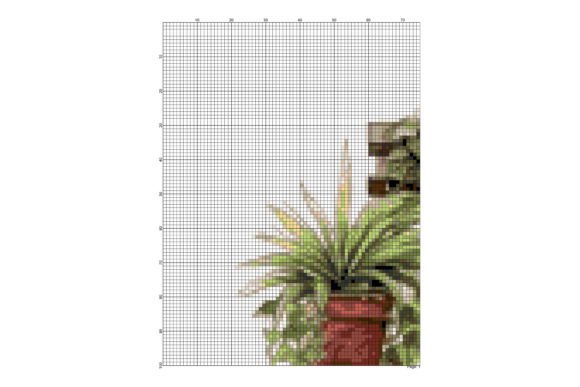
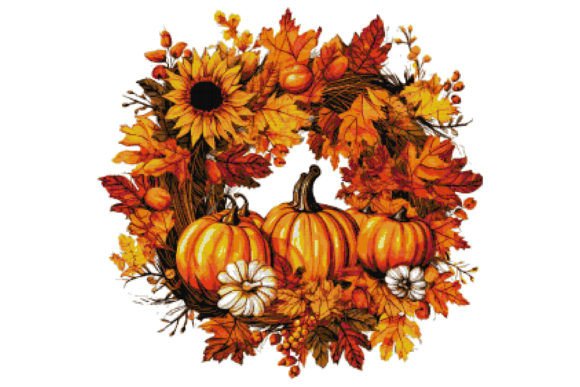
When I first pulled up the charts for Halloween Counted Cross Stitch Patterns, the immediate impression was one of clarity and usability. In the world of Cross Stitch Patterns and Graphics, legibility is king. These charts are described as large and easy to read, requiring no enlargement. This is a massive time-saver when you are trying to batch-produce items for a busy market weekend. The aesthetic feels versatile; depending on your thread choices, these designs can swing from cute and whimsical to rustic farmhouse or even slightly spooky elegant. They do not scream "cheap plastic decoration"; instead, they offer the textured, premium look that modern buyers crave in their handmade product selections.
Product Application and Booth Display Strategy
The real test for any design is how it translates onto physical goods. I envision these patterns shining on a variety of surfaces. For a tote bag design, the bold lines of a counted cross stitch pattern hold up beautifully against canvas, making for a sturdy, reusable market bag that customers love. If I move to the kitchen section of my booth, tea towel embroidery and apron embroidery become instant winners. Halloween is a huge season for hostess gifts, and a stitched tea towel featuring one of these festive motifs adds a touch of warmth that printed ink simply cannot match.
I am also considering smaller accents. An embroidered patch made from these charts could be ironed onto denim jackets or backpacks, appealing to a younger demographic. For home decor, pillow covers and small fabric pouches serve as perfect low-cost entry points for shoppers who want a taste of Halloween without breaking the bank. The key here is versatility. Because these are digital embroidery file equivalents in chart form, I can scale the printing to fit different hoop size constraints or fabric areas, provided I maintain the integrity of the grid.
Visual Appeal and Customer Engagement
In a crowded craft fair aisle, visual appeal drives foot traffic. Halloween Counted Cross Stitch Patterns have a distinct advantage: the texture. Unlike flat vinyl or screen printing, cross stitch catches the light and invites people to come closer and inspect the craftsmanship. This tactile quality increases perceived value. When a customer sees the individual stitches, they understand the labor involved, which justifies a higher price point for your small shop product. Furthermore, these designs photograph exceptionally well for Etsy seller listings. The contrast between the thread and the fabric creates a natural depth that looks fantastic in a printable mockup or a lifestyle photo taken at the booth.
Practical Production and Selling Points
From a production standpoint, the "large easy to read" nature of these charts is a game-changer for batch production. When you are stitching ten tote bags in a row, you do not want to squint at a tiny, pixelated grid. The ability to print the chart in any size means I can tape a large version to my workspace for quick reference, speeding up my workflow significantly. However, success depends on execution. These patterns work best as either a small, charming accent on a pocket or a large focal design on the center of a tote. Trying to shrink them too much might lose the charm, while blowing them up too large without adjusting thread weight could make the piece look blocky.
For the Etsy seller or boutique maker, repeatability is key. Since the chart is consistent, every item I produce will look uniform, ensuring brand consistency across my inventory. Whether I am making a set of coasters or a wall hanging, the design assets provided here allow for a cohesive collection that tells a story.
Critical Considerations for Execution
While the potential is high, there are careful-use notes every designer must heed. Cross stitch relies on a specific grid, usually 14 count as noted in the description. If you attempt to stitch these on thick, textured towels or dark fabrics without proper planning, the design may lose clarity. Dense stitch areas can cause fabric puckering if the tension is too tight, so monitoring your stitch density is vital. Additionally, if you are adapting these for curved surfaces like caps, be aware that the rigid grid of cross stitch does not always drape well over complex curves unless the design is very small.
Thread contrast is another make-or-break factor. On dark fabric, you must ensure your thread colors are vibrant enough to pop. Conversely, on light linens, avoid threads that are too pale, or the design will vanish from a distance. Always test the design on scrap fabric first. Do not risk your expensive market inventory on an untested combination of fabric and floss.
Final Designer Notes and Recommendations
Before committing to a full production run of commercial embroidery products based on these charts, I recommend a strict protocol. First, confirm the commercial licensing terms. Just because you purchased the PDF does not automatically grant the right to sell finished goods; always verify this with the creator. Second, create at least one real mockup. Take photos of this sample in natural light to use for your marketing materials. Third, choose the right stabilizer. Even though cross stitch is often done without heavy stabilization, using a light cut-away or tear-away can prevent distortion on stretchy fabrics like tote bags.
Ultimately, Halloween Counted Cross Stitch Patterns offer a fantastic opportunity for craft fair sellers to differentiate themselves. In a sea of mass-produced decorations, a hand-stitched item stands out as a labor of love. By focusing on high-quality materials, smart product selection like aprons and pillows, and meticulous attention to detail, these graphics can become the cornerstone of a profitable Halloween collection. Remember, the chart is just the map; your skill and material choices determine the destination.