Review: 3D Fluffy Floral Embroidery Patterns for Craft Fairs
As an embroidery designer who has spent countless weekends setting up booths at local craft fairs and handmade markets, I know that the difference between a browsing customer and a buyer often comes down to texture. When people walk past a table of goods, their eyes are drawn to movement and dimension. This is why I was immediately intrigued when I pulled up the 3D Fluffy Floral Embroidery Patterns to evaluate them for my upcoming spring market lineup. In the world of commercial embroidery and handmade product creation, visual appeal is everything, but practicality is what keeps your business running.
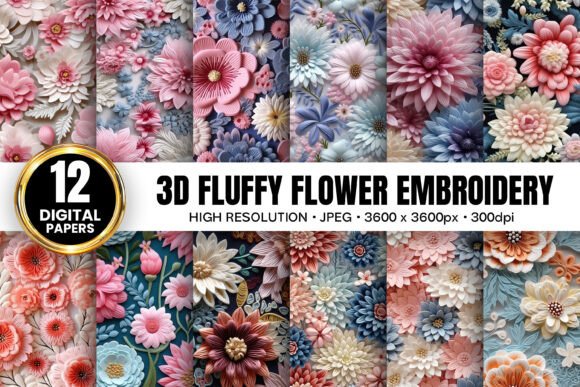
My first impression of these Patterns and Graphics is that they strike a perfect balance between soft, romantic aesthetics and bold, tactile presence. The term "fluffy" in the title suggests a design that isn't just flat stitching; it implies volume, likely achieved through specific stitch types or layering techniques that mimic the look of puff embroidery or dense satin fills. For a craft fair product, this is gold. Customers love to touch items that feel different. A design that looks soft and dimensional invites interaction, which is the first step toward a sale.
Visual Impact on Market Products
When preparing a table display, variety is key, but cohesion is king. I evaluated how these designs would perform across my standard inventory: tote bag design options, kitchen linens, and wearable accessories. On a canvas tote bag, a large floral motif from this collection would serve as a stunning focal point. The high resolution mentioned in the product details ensures that when you scale these images up for large hoops, the edges remain crisp, preventing that pixelated look that can ruin a professional finished product.
For apron embroidery, these florals offer a charming, boutique feel. Imagine a linen apron with a cluster of these fluffy flowers near the pocket; it instantly elevates a utility item into a giftable piece of art. Similarly, for tea towel embroidery, the contrast of the textured stitches against a waffle weave or smooth cotton creates a luxurious hand-feel. However, one must be mindful of the fabric texture. On highly textured towels, very fine details might get lost, so selecting the bolder elements of the pattern is crucial for clarity.
I also see immense potential for embroidered patch production. Patches are low-cost, high-margin items that fly off the table at markets. If these patterns translate well into a dense, cut-out style, they could become a signature item for small shop owners looking to expand their catalog without investing in new machinery. The "3D" aspect would make these patches pop significantly more than standard flat designs.
Production Realities and Practical Considerations
While the aesthetic promise is strong, any experienced Etsy seller or boutique maker knows that beauty means nothing if the design is a nightmare to produce. Before committing to a full batch of inventory, there are several critical factors to assess regarding 3D Fluffy Floral Embroidery Patterns.
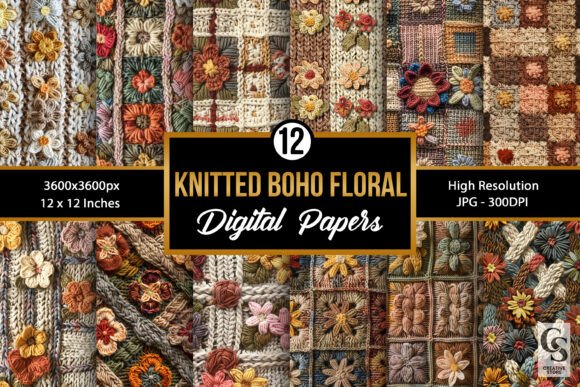
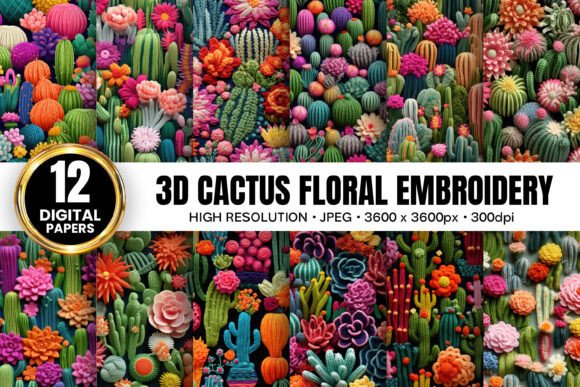
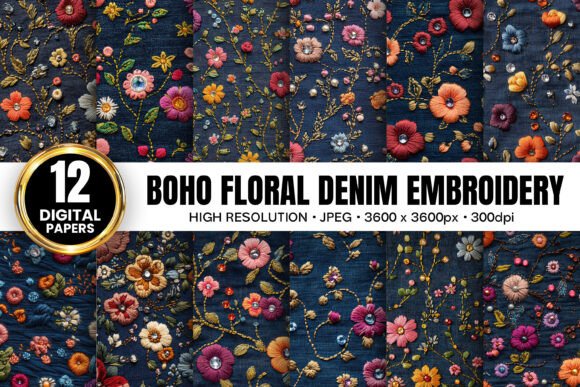
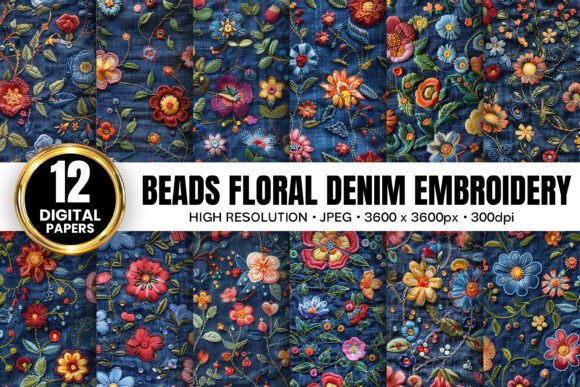
First, we must address the file format. The product description specifies that you receive 12 High-Resolution Digital Papers in JPG format at 300 DPI. It is vital to understand that these are design assets and Graphics, not necessarily ready-to-stitch machine embroidery design files (like PES, DST, or EXP). As a professional, my immediate note is that you will likely need to use digitizing software to convert these high-quality images into stitch files, or use them as printable references for manual digitizing. This offers flexibility in thread colors and stitch density, allowing you to customize the look for specific fabrics, but it does require an extra step in your workflow.
When converting these images or using them as guides, pay close attention to stitch density. "Fluffy" effects often require higher density to achieve volume, which can lead to puckering if not managed correctly. On curved surfaces like caps, a overly dense design can cause the fabric to warp. Therefore, testing on scrap fabric identical to your final material is non-negotiable. You must check how the design behaves on thick fabrics versus thin ones.
Key Production Checklist
- Stabilizer Selection: For 3D effects, a cut-away stabilizer is often superior to tear-away, providing the necessary support to hold the volume of the stitches without collapsing over time.
- Hoop Size Verification: Ensure your machine's hoop size can accommodate the full 12-inch potential of these graphics if you plan to use them at full scale on tote bags or pillow covers.
- Thread Contrast: Test different thread weights. A thicker thread might enhance the "fluffy" appearance, while a standard weight might offer better definition for smaller details.
- Mockup Creation: Create at least one real physical mockup before listing items online. Photos of the actual texture sell better than digital renderings.
- Licensing Check: Always confirm commercial licensing terms before selling finished products derived from these assets.
Maximizing Sales Through Display and Photography
In a crowded market, your booth display strength relies on items that catch the eye from three feet away. The dimensional quality of these floral patterns makes them ideal for this. When arranging your table, place items with these designs at eye level. A pillow cover with a large, textured floral center draws the hand. A cap with a raised floral logo stops the scroll of a passerby's gaze.
For the Etsy seller or digital entrepreneur, these patterns are equally valuable for creating printable mockup listings. Because the files are 3600 x 3600 pixels at 300 DPI, they are perfect for generating high-quality product photos for your online store. You can overlay these graphics onto photos of blank products to show customers exactly what a custom order would look like, increasing buyer engagement and reducing hesitation.
Ultimately, the value of 3D Fluffy Floral Embroidery Patterns lies in their versatility. They can be the subtle accent on a monogrammed handkerchief or the star attraction on a statement tote. They speak to a current trend favoring softness and tactility in home decor and fashion. However, success depends on execution. By respecting the limitations of your machinery, choosing the right stabilizer, and understanding that these are high-res graphics requiring thoughtful application, you can turn these designs into a best-selling line of small shop products.
Whether you are a seasoned pro or a creative entrepreneur just starting your handmade journey, integrating these textures into your lineup can refresh your brand consistency and boost your average order value. Just remember: test your tension, trust your instincts on color pairing, and let the natural beauty of the floral forms do the heavy lifting in attracting customers to your booth.