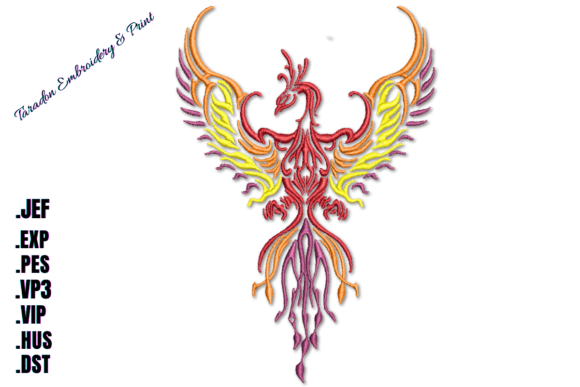
Phoenix Rising: A Pro Review for Branded Merch
As an embroidery designer who has spent years digitizing and stitching logos for small businesses, I approach every new machine embroidery design with a critical eye. It is not just about whether the art looks pretty on a screen; it is about how that art translates into thread, survives industrial washing, and elevates a brand's identity. Recently, I had the opportunity to review the Phoenix Rising design, a mythical bird motif centered on themes of renewal and rebirth. For boutique owners, café managers, and handmade brands looking to upgrade their small business merch, this design offers a compelling mix of majesty and intricacy, but it requires careful handling to ensure professional results.
Visual Personality and First Impressions
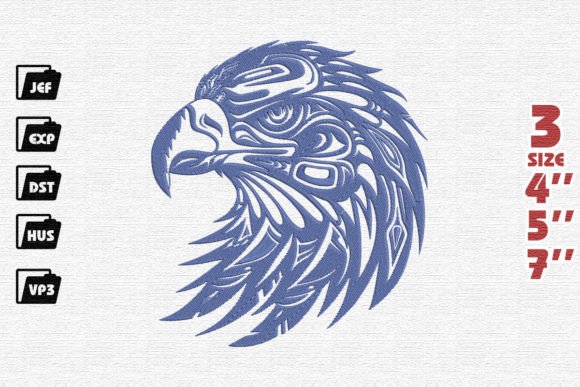
The first thing that strikes you about Phoenix Rising is its bold, elegant energy. The description highlights a bird soaring with wings outstretched and feathers detailed with intricate patterns. In the world of brand identity, this imagery is powerful. It suggests resilience, transformation, and high quality. Visually, the design leans towards the premium and decorative side rather than rustic or playful. The intricate feather details imply a level of sophistication that works exceptionally well for creative studios, florists, or upscale bakeries wanting to convey a sense of artisanal care.
However, "intricate patterns" in a product description often signal high stitch density. While this creates a lush, textured look that screams "handmade product," it can be a double-edged sword for commercial applications. A design that is too dense may become stiff on lightweight fabrics or lose definition if scaled down too far. My initial assessment is that Phoenix Rising is best suited for medium-to-large applications where the detail can breathe, such as back patches on work shirts or central motifs on tote bags.
Real-World Business Applications
When evaluating a digital embroidery file for client use, I always map out specific scenarios. Here is how Phoenix Rising performs across various business assets:
- Embroidered Patches: This is arguably the strongest use case. The majestic wingspan of the phoenix fits perfectly within a circular or shield-shaped patch. Applied to denim jackets, canvas aprons, or heavy-duty tote bags, this design becomes a standalone statement piece that customers love to collect.
- Staff Uniforms and Aprons: For a boutique or café, placing a smaller version of the phoenix on the chest pocket of an apron adds a touch of elegance. However, one must be cautious with the tail feathers; if the design includes fine lines, they may merge on terry cloth or textured linen without proper stabilization.
- Cap Embroidery: Placing this on a cap front is risky due to the curved surface. The wide wingspan might distort unless the design has been specifically digitized for caps. If used, it should be positioned carefully to avoid the seam line, perhaps focusing on the head and upper wings only.
- Tote Bag Design: Canvas totes provide the ideal stable foundation for the intricate feather work. The contrast between the thread and the natural fabric texture can make the Phoenix Rising motif pop, serving as excellent walking advertising for your brand.
- Product Packaging Accents: While not a direct stitch application, the imagery can be adapted for printable mockup labels or hang tags, ensuring visual consistency between your stitched goods and your packaging.
Critical Considerations for Production
Before running this design on a commercial machine, there are several technical hurdles to address. The description mentions "feathers detailed with intricate patterns," which immediately raises flags regarding stitch density and underlay. If you are stitching this on dark uniforms, you must ensure the digitizer included sufficient underlay to prevent the fabric from showing through the gaps in the feathers. Without this, the finished product may look sparse or unprofessional.
Furthermore, size matters immensely. If a client requests Phoenix Rising as a tiny logo on a polo shirt sleeve, the intricate details will likely turn into a solid blob of thread. I strongly advise testing the design at the minimum intended size first. If the details disappear, you may need to request a simplified version from the creator or limit its use to larger items like back panels and patches.
Fabric texture also plays a crucial role. On pique knit polos or rough canvas, fine satin stitches can sink or get lost. Smooth twill or broadcloth is recommended for the best definition. Additionally, because this is a bird design falling under the Birds category, the flow of the stitches along the wing curves must be smooth to avoid puckering. Always use a high-quality stabilizer appropriate for the fabric weight—cut-away for knits and tear-away for wovens—to maintain the shape of those outstretched wings.
Impact on Brand Identity and Customer Trust
In the competitive landscape of custom apparel and handmade goods, the quality of your branding directly impacts customer trust. A poorly executed embroidery job with pulled threads or distorted shapes tells the customer you cut corners. Conversely, a crisp, vibrant execution of Phoenix Rising signals professionalism and attention to detail.
The symbolism of the phoenix—renewal and rebirth—is particularly potent for startups, rebranding efforts, or businesses overcoming challenges. Using this motif on employee uniforms or customer gifts can subtly reinforce a narrative of growth and resilience. It transforms a simple garment into a story-telling asset. When customers see a well-stitched, complex design like this, they perceive higher value in the associated products, whether it's a loaf of bread, a bouquet of flowers, or a handcrafted ceramic mug.
Practical Designer Notes and Checklist
To ensure success with Phoenix Rising, I recommend following this pre-production checklist:
- Test in Black and White: Before committing to expensive metallic or variegated threads, stitch a sample in standard black and white. This reveals the true structure and density of the design without the distraction of color.
- Verify Hoop Size: The description implies a large wingspan. Confirm the required hoop size before promising placement options to clients. You do not want to start a job only to realize the design exceeds your machine's field.
- Check Thread Color Contrast: Ensure your thread palette provides enough contrast between the body and the intricate feather patterns. Low contrast can make the detailed work vanish from a distance.
- Review Commercial Licensing: Since this is for commercial embroidery and merchandise sales, strictly verify the license terms. Ensure the embroidery file purchase includes rights for unlimited physical goods production.
- Create a Mockup: Always generate a printable mockup or digital composite showing the design on the actual garment for client approval. This manages expectations regarding scale and placement.
- Inspect Spacing: Look closely at the tail feathers mentioned in the description. Ensure there is adequate spacing between stitch runs to allow for fabric movement and washing.
Ultimately, Phoenix Rising is a striking addition to any library of design assets. It bridges the gap between artistic expression and commercial viability, provided it is treated with the technical respect it demands. By understanding its limitations regarding size and fabric, and leveraging its strengths in symbolism and detail, small business owners can use this design to create memorable, high-value branded merchandise that stands the test of time.