Caravan Counted Cross Stitch Patterns Review
As an embroidery designer who spends more time at craft fairs than in my own living room, I know exactly what makes a booth stop traffic. It isn't just about having pretty items; it is about having products that communicate value instantly. When I recently evaluated Caravan Counted Cross Stitch Patterns for my upcoming weekend market lineup, I approached it with a critical eye. I wasn't looking at this as a hobbyist wanting to relax on a Sunday afternoon; I was looking at it as a business owner needing reliable design assets that translate well into sellable inventory.
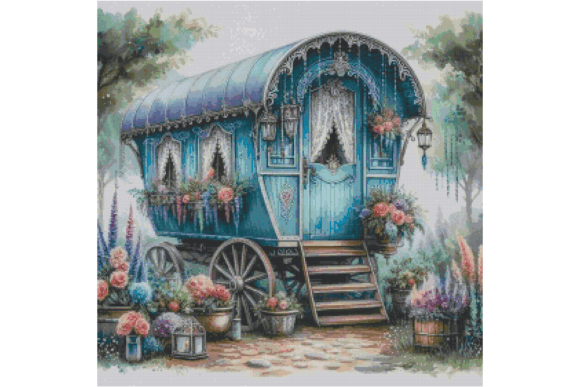
The first thing you notice about Caravan Counted Cross Stitch Patterns is the clarity of the presentation. The description emphasizes "Large Easy to Read Charts," which is a massive green flag for production efficiency. In a high-volume setting, ambiguity is the enemy. Whether you are handing off instructions to a helper or quickly referencing the pattern while managing a busy booth, legibility matters. The aesthetic feels distinctly rustic and adventurous, tapping into the popular "van life" and wanderlust trends that continue to dominate the handmade marketplace. This vibe is perfect for creating a cohesive collection that appeals to modern buyers looking for unique, story-driven decor.
Visual Impact on Market Products
When planning my table display, I immediately envisioned where this design would shine. The strongest application for Caravan Counted Cross Stitch Patterns is undoubtedly on flat, woven surfaces. A tote bag design featuring this motif would be a standout seller. Canvas totes provide the perfect 14-count equivalent texture, allowing the stitches to sit neatly without distortion. Customers love functional art, and a sturdy bag with a whimsical caravan stitched in warm, earthy thread colors screams "summer festival" or "farmers market essential."
Beyond bags, apron embroidery is another lucrative avenue. An apron with a central caravan motif transforms a basic kitchen utility item into a charming gift. Similarly, tea towel embroidery offers a low-cost entry point for buyers. These items are easy to batch produce, making them ideal craft fair product staples. The design also works beautifully as an embroidered patch. By stitching the pattern onto twill and cutting it out with a merrow edge, you create a versatile accessory that customers can iron onto jackets or backpacks later. This expands your product line without requiring you to stock finished garments in every size.
For those running an online shop, the visual appeal of this pattern translates exceptionally well into photography. The clean lines and recognizable shape of a caravan make for a strong printable mockup or lifestyle photo. As an Etsy seller, you know that lighting and composition are everything. This design has enough detail to look intricate up close but remains bold enough to be recognized in a small thumbnail image on a mobile device.
Production Practicality and Batch Work
From a production standpoint, the fact that these are PDF chart patterns means you have total control over the scale. Unlike a fixed digital embroidery file for a machine, you can print the chart to fit various hoop size constraints or fabric dimensions. This flexibility is crucial when adapting a single design for different products, such as a small pouch versus a large pillow cover. However, because this is a counted cross stitch pattern and not a pre-digitized machine embroidery design, you must be prepared to hand-stitch or manually digitize it if you intend to use an embroidery machine. If you are hand-stitching for a boutique feel, the "Charted for 14" specification ensures the stitch density will be manageable and the coverage solid.
Batch production is feasible here, provided you organize your workflow. Since the charts are large and easy to read, you can set up an assembly line where one person cuts fabric, another marks the center, and another handles the stitching. This efficiency turns a leisurely craft into a viable small shop product line. The repeatability of the design allows you to maintain brand consistency across your booth, creating a visually unified display that draws the eye down the entire table.
Critical Considerations for Sellers
While the potential is high, there are practical hurdles to navigate. Because this is a counted pattern, achieving consistent tension on curved surfaces like caps can be challenging without significant experience. The fabric texture plays a huge role; on thick, textured towels, the holes might be irregular, making it difficult to keep the caravan's lines straight. If you plan to stitch on dark fabric, remember that the pattern likely assumes a light background unless specified otherwise. You may need to adjust your thread choices or add a backing layer to ensure the design pops.
Another vital note concerns the fine details. If the caravan design includes tiny lettering or very small windows, these elements might get lost if you scale the pattern down too much for a small coin purse. Always test the design on scrap fabric first. Check the contrast of your threads against the material to ensure the image doesn't muddy together. Furthermore, verify your stabilizer choice. Even for hand cross-stitch, using a water-soluble stabilizer can help keep the fabric taut and the stitches even, especially on stretchy materials like linen blends.
It is also imperative to review the licensing terms before selling. The product description states clearly: "THIS IS NOT A KIT. No Floss or fabric are included. Purchase to download PDF chart patterns only." While this confirms you are buying digital goods, you must confirm if the license permits commercial embroidery sales of the finished product. Many designers allow you to sell the physical stitched item but prohibit reselling the digital chart itself. Never assume; always check the specific terms attached to your download.
Final Verdict for the Handmade Entrepreneur
In the competitive landscape of craft fairs and online handmade markets, Caravan Counted Cross Stitch Patterns offers a solid foundation for a profitable product line. Its rustic charm aligns perfectly with current consumer trends, and its adaptability across tote bags, aprons, and home decor makes it a versatile asset. The large, readable charts reduce production errors, while the classic subject matter ensures broad appeal. By paying attention to fabric selection, testing your tension, and understanding the commercial rights, you can turn this simple pattern into a cornerstone of your brand. For the creative entrepreneur willing to put in the needlework, this design has the potential to become a bestseller that customers cherish for years.