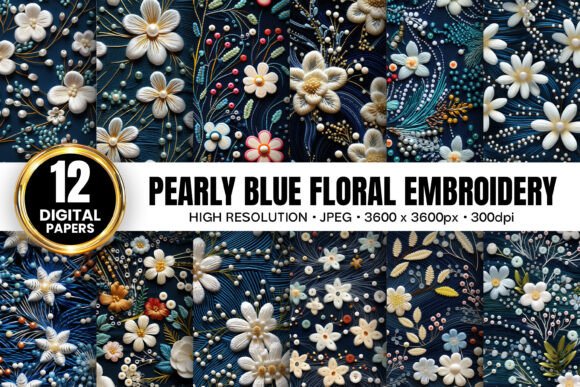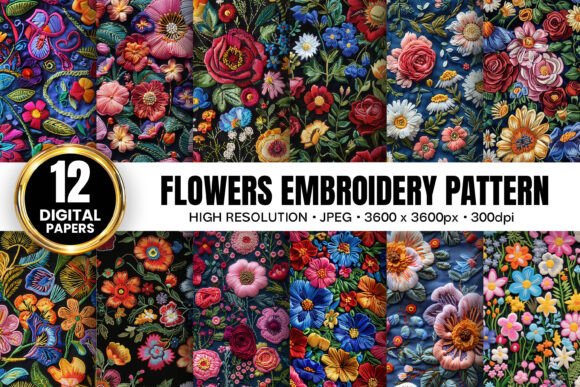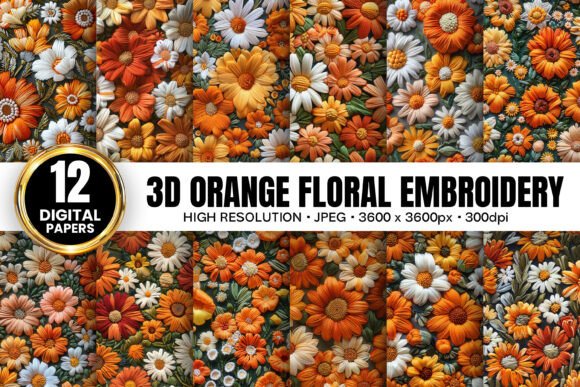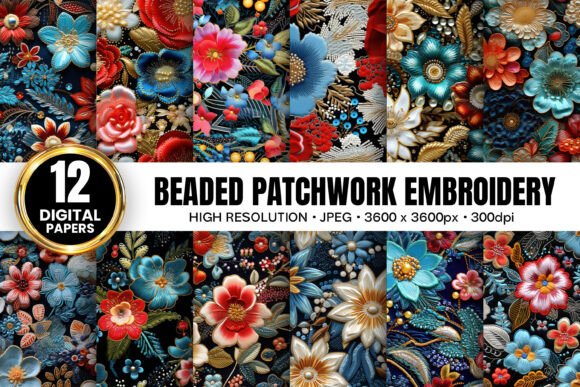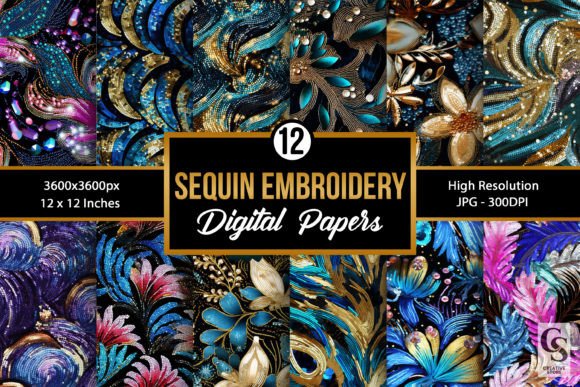
Botanical Flowers Embroidery Patterns Review
As a designer who spends more time staring at stitch previews than most people care to admit, I approach new assets with a healthy dose of skepticism. We have all downloaded a digital embroidery file that looked stunning on the screen but turned into a bird's nest of thread breaks and puckering on the machine. So, when I recently evaluated the Botanical Flowers Embroidery Patterns collection, my goal wasn't just to admire the aesthetics; it was to determine if these graphics could survive the rigors of a real-world embroidery project.
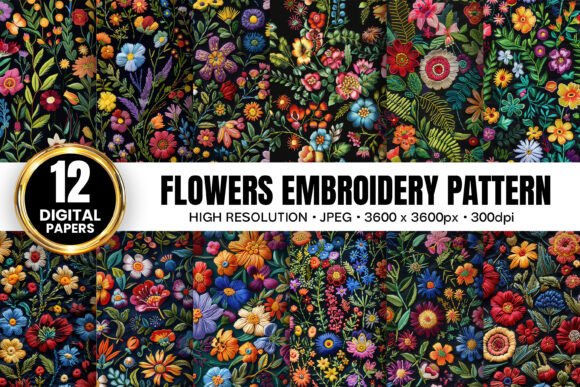
The first thing that strikes you about this collection is its mood. It feels organic, slightly vintage, yet clean enough for modern boutique branding. The layout of the floral elements suggests a thoughtful arrangement rather than a random scatter of clipart. For those of us creating handmade products, visual personality is everything. These patterns carry a softness that translates well to fabric, avoiding the harsh, vector-like edges that sometimes plague digital downloads. However, before committing to a client order, we need to dig deeper into how these images function as actual stitch guides.
From Screen to Stitch: A Real-World Test
To truly understand the value of these assets, I simulated a common scenario for small shop owners: creating a line of custom tote bags for a local farmer's market. The brief required something earthy but elegant—nothing too childish, nothing too corporate. The Botanical Flowers Embroidery Patterns seemed like a perfect fit. I selected one of the denser floral arrangements to test on a heavy canvas tote.
Here is where practical judgment comes in. Since the product description specifies these are high-resolution JPGs (3600 x 3600 pixels at 300 DPI) rather than pre-digitized stitch files, the responsibility falls on the designer to interpret the image into a machine embroidery design. This is actually a benefit for experienced users. It allows you to control the stitch density, choose between a satin stitch for defined petals or a fill stitch for softer textures, and decide on the underlay strategy based on your specific fabric.
In my test, the clarity of the source image made digitizing significantly easier. The lines were crisp, allowing me to trace paths for a running stitch outline that maintained the delicate nature of the botanical theme. When stitched out, the result was impressive. The flowers didn't look blocky; they retained the fluidity of the original graphic. For an Etsy seller or anyone running a craft business, this level of fidelity in the source art means your finished product will look professional, not like a low-effort iron-on transfer.
Ideal Applications for Boutique Branding
These patterns shine brightest when applied to items where surface area allows the details to breathe. I found them particularly effective for:
- Sweatshirt embroidery: The texture of fleece pairs beautifully with the organic shapes, provided you use a cut-away stabilizer to prevent distortion.
- Pillow covers and home decor: The 12-inch scale of the images works perfectly for standard throw pillows, creating a focal point without overwhelming the space.
- Aprons and kitchen towels: For a cottage-core aesthetic, these florals add a touch of charm that elevates a simple linen towel into a giftable item.
- Printable mockups: Even before stitching, the high resolution makes these excellent for creating printable mockup listings to gauge customer interest before producing inventory.
If you are an apparel decorator looking to expand your catalog, these graphics serve as versatile design assets. They can be adapted for custom apparel ranging from denim jackets to nursery decor. The versatility lies in the fact that you are working with a high-quality image, giving you the freedom to simplify complex areas for smaller hoops or enhance details for larger statements.
Navigating Technical Challenges
While the potential is high, there are scenarios where you must proceed with caution. Because these are graphics intended to be digitized or used as references, you cannot simply load them into your machine and hit start. You must consider the end-use environment carefully.
For instance, if you plan to use these on stretchy fabric like jersey knits for baby embroidery, you need to be meticulous about your digitizing settings. The intricate curves of botanical designs can pull and pucker if the stitch count is too high or if the pull compensation isn't adjusted. Similarly, on dark fabric, you must ensure your chosen thread colors have enough contrast. A light pastel flower might get lost against a navy background unless you incorporate a solid fill or a bold outline.
Small hoop sizes also present a challenge. If you are working on a cap or a small pocket, you may need to isolate a single flower or leaf from the larger composition. Fortunately, the 300 DPI resolution supports cropping without losing quality, but you must ensure the resulting design still makes sense visually. Avoid trying to force tiny lettering into these dense floral clusters; it rarely reads well after stitching.
Designer Notes for Commercial Success
Before selling any item made with these patterns, treat them as a raw material, not a finished solution. Here is my checklist for ensuring quality control:
- Test on scrap fabric first: Always run a sample on the exact material you intend to sell. Fabric texture changes how stitches sit.
- Check thread color contrast: View your digitized version in black and white to ensure the values separate clearly.
- Review stitch density: Botanical designs can become stiff if over-filled. Use open fills or lighter densities for drapey garments.
- Confirm hoop size: Ensure your digitized version fits your available hoops, especially for curved surfaces like hats.
- Inspect small details: Zoom in on the digitized preview. Are there tiny islands of stitches that will break? Simplify them.
- Use proper stabilizer: Match your stabilizer to the fabric weight, not just the design size.
It is also crucial to verify licensing terms. While the download includes 12 high-resolution papers, always confirm whether the license permits commercial use of the finished product or if there are restrictions on reselling the digital files themselves. Most designers allow you to sell the physical embroidered item, but reselling the JPGs as digital embroidery files is often prohibited.
Final Verdict on Visual Appeal and Value
In the competitive world of handmade goods, customer trust is built on consistency and professionalism. Using high-quality source materials like Botanical Flowers Embroidery Patterns directly impacts your brand perception. When a customer receives a tote bag or a holiday gift with crisp, well-defined floral embroidery, it signals that care was taken in every step of the process.
These patterns offer a strong foundation for commercial embroidery projects. They strike a balance between artistic flair and technical feasibility. Whether you are creating a personalized gift for a wedding or stocking shelves for a boutique, these graphics provide the visual depth needed to stand out. Just remember, the magic happens in the digitizing and the stitching. Treat these images as your blueprint, apply your technical expertise, and you will create products that buyers love to keep and display.